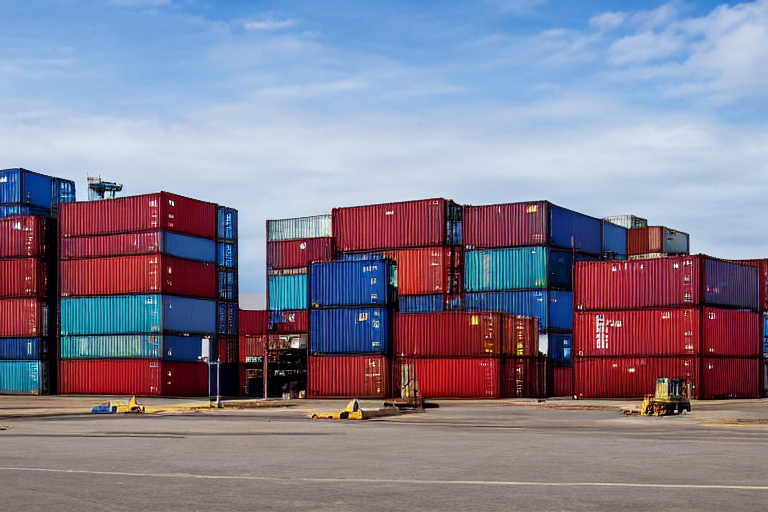
West Golden Cargo LLC provides cargo solutions across the globe, including direct shipments from China to Dubai. Understanding the complex web of logistics costs is essential for any business planning international freight.
The Role of Port Fees and Terminal Charges
One of the most significant factors determining the final price in this route is the cost associated with entering and exiting China. The port fees vary wildly depending on which specific port you choose, such as Shanghai or Ningbo. These charges are often calculated based on the volume of cargo loaded at that terminal.
Once goods arrive in China, they must be unloaded into a container ship or truck and then reloaded onto another vessel heading to Dubai. This process involves multiple terminals like Jebel Ali, Port of Dubai, and the Arabian Sea port. Each of these locations has its own specific terminal fees, which can add up quickly if you are shipping large volumes.
Additionally, there is a "terminal loading fee" that applies to each container as it moves from one port to another. This ensures that the shipper pays for the space and time used by their cargo during transit between hubs.
Vessel Type and Capacity
The type of vessel you choose is a critical variable in pricing. A standard containerized freight (like a 40-foot or 45-foot container) typically costs more per unit than a smaller tank cargo ship, which can hold larger volumes in less space.
When comparing prices, it is important to consider the "unit price" versus the "total cost." For example, if you are shipping 100 containers of 45-foot size, the total cost might be higher than shipping just one container of 20-foot size. However, tank cargo ships often offer a lower per-unit rate because they can carry more weight in a smaller footprint.
The vessel type also affects fuel consumption and maintenance costs. Larger vessels require more fuel to operate and have higher operational expenses compared to smaller tankers.
Customs Duties and Taxes
While the base freight rate is what you pay for the goods, there are additional taxes that can significantly impact your final bill. China has specific customs duties on certain commodities, such as steel, aluminum, and machinery.
In addition to Chinese tariffs, Dubai imposes its own import duties on all goods entering the UAE. These rates vary by commodity type but generally range from 5% to 10% of the declared value depending on the country of origin.
Furthermore, there are VAT (Value Added Tax) requirements in both China and Dubai. The total cost includes these taxes, which can add up to 20% or more of the shipment's value if not accounted for during the quote process.
Logistics Costs and Insurance
Beyond freight charges, logistics providers often include insurance premiums as part of their total cost structure. This covers potential damage or loss during transit. If you are shipping high-value items like electronics or pharmaceuticals, the value of this insurance can add up to 10% to 15% of the cargo's worth.
Warehousing and storage fees are another major component. If your shipment is destined for a warehouse in Dubai before loading onto the ship, you will incur storage costs. These include rent, utilities, and labor expenses.
Market Demand and Seasonality
The price of cargo can fluctuate based on market demand. During peak seasons like the summer months or during major global events such as the Olympics, shipping volumes increase, leading to higher prices.
Seasonal factors also play a role in China-Dubai routes. For instance, winter is often a peak season for steel and aluminum imports due to heavy industrial demand in China. Conversely, other commodities might be cheaper during off-peak periods.
Shipping Speed and Transit Time
While speed does not always correlate with price, faster shipping can sometimes lead to higher costs due to longer transit times or the need for expedited services. Rushing the process might require more expensive containers or specialized equipment.
The time it takes to move goods from China to Dubai is a key metric. Shorter transit times generally mean lower freight rates, but they also reduce the window of opportunity for your business to fulfill orders.
Fuel Prices and Operational Expenses
The cost of fuel is one of the most volatile factors in international shipping. Oil prices can cause significant price swings that ripple through the entire supply chain, affecting both freight rates and insurance premiums.
Operational expenses also include maintenance costs for ships, crew wages, and equipment repairs. These are often fixed but can increase if the vessel needs to be repaired or if fuel prices rise.
Risk Factors
Beyond financial charges, there are risks that cargo companies factor into their pricing models. This includes port congestion, weather conditions, and political instability in either country of origin or destination.
For example, if a port is blocked by natural disasters or severe weather, the cost to unload and reload might skyrocket, impacting your budget significantly.
Similarly, if a ship encounters a major accident or collision, the insurance payout could be substantial, affecting the total cost of the shipment.