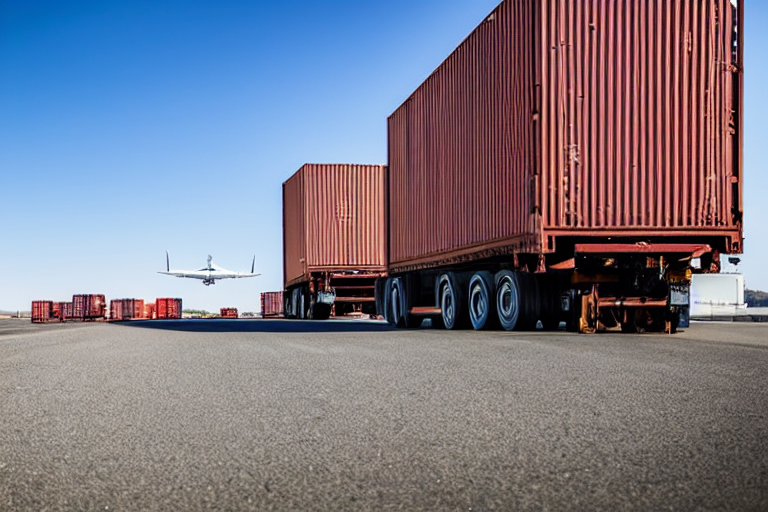
Why Air Freight is the King of Logistics
Air freight is often considered the fastest way to move goods, but it comes with a steep learning curve. Many companies make critical errors during transit that can lead to massive delays or even total loss of cargo value.
The Hidden Cost of Air Shipping Errors
Imagine shipping 500 tons of electronics from a warehouse in the Midwest to a client in Tokyo. If you make one mistake, like mislabeling a fragile item or forgetting to secure a heavy container, it could cost your company thousands in fines and lost revenue.
The Top 10 Mistakes You Must Avoid
Here is the reality of air shipping: you cannot just "fly" safely. You must follow strict protocols to ensure your cargo arrives intact. Here are the most common pitfalls:
Mistake #1: Mislabeling and Documentation Errors
This is arguably the biggest culprit in air freight. If you ship a container with "LCL" (Less than Container Load) but label it as "FCL" (Full Container Load), your airline will reject it immediately.
- The FCL/LCL Trap: Don't confuse full and less-than-full containers. Airline systems are strict about this distinction, especially for high-value items like electronics or machinery.
- Documentation Chaos: Ensure your shipping documents (Bill of Lading, Waybill) match the physical cargo perfectly. If the paperwork is wrong, you get a "No Acceptance" letter from the carrier.
Mistake #2: Improper Container Handling and Stacking
Air freight containers are incredibly sensitive to vibration and temperature changes. Handling them incorrectly can cause structural damage or even breakage of fragile goods inside.
- The "Drop Zone" Rule: Never drop a container on the ground in an airport terminal. Always stack it vertically, ensuring there is at least 10 feet of clearance between containers to prevent tipping.
- Temperature Control: Air freight requires extreme care with temperature-sensitive items. If you don't have a controlled environment (like a climate-controlled warehouse), your goods will degrade rapidly.
Mistake #3: Overloading and Weight Distribution Issues
Air cargo is incredibly light, but the weight of the container itself adds up. If you overload a container, it can tip over or crack under its own weight.
- Weight Limits: Every airline has strict weight limits per container. Exceeding these means your shipment will be rejected before even departure.
- Center of Gravity: Ensure the center of gravity is within the approved range for every flight route to prevent structural failure during takeoff and landing.
Mistake #4: Ignoring Weather Conditions
Air travel is weather-dependent. If you don't account for rain, snow, or turbulence, your cargo will arrive damaged.
- Turbulence: Even if the sky looks clear, sudden gusts can shake a container violently. Always check forecasts and have contingency plans ready.
- Rain and Snow: These conditions are notorious for causing ice buildup on cargo or damaging packaging materials inside containers.
Mistake #5: Poor Packaging of Fragile Goods
Air freight is a high-risk environment. If your goods aren't packed securely, they will shatter during the flight.
- Branding: Never ship branded items (like luxury watches or designer clothing) without proper labeling and insurance coverage.
- Sealing: Use bubble wrap, foam, or specialized airbags to cushion your goods. Airplanes are loud; a loose package will vibrate dangerously.
Mistake #6: Missing Documentation for Special Items
Some cargo requires special handling that standard shipping doesn't cover, like hazardous materials or cryogenic liquids.
- Hazardous Materials: If your goods are radioactive, flammable, or toxic, you need a specific "Hazardous Cargo" label and a separate shipping document. Skipping this step is a fatal error.
- Customs Declarations: Always declare all items to customs authorities before departure. Failure to do so can result in confiscation of goods and fines.
Mistake #7: Incorrect Container Identification
If you don't know which container is yours, the airline won't accept it.
- Port of Loading: Ensure your container number matches exactly what was loaded onto the aircraft. A mismatch leads to a "No Acceptance" letter.
- Container Markings: Check that all containers have the correct markings, including the ship's name and port of loading.
Mistake #8: Neglecting Insurance Coverage
Cargo insurance is your safety net. Without it, you are liable for any damage or loss during transit.
- Premium vs. Standard: Air freight often requires a higher premium rate than standard shipping. Ensure your policy covers the full value of your cargo and includes "airborne" coverage if applicable.
- Claims Process: If something breaks, you need to file a claim immediately. Don't wait until the flight is over or even after arrival.
Mistake #9: Poor Communication with Airline Staff
Communication gaps can lead to misunderstandings and delays.
- Pre-Flight Check: Always verify the flight number, time, and destination before you board. If there's a discrepancy, contact the airline immediately.
- During Flight: Listen carefully to the crew. They might be making minor adjustments that look like mistakes but are actually necessary for safety or efficiency.
Mistake #10: Ignoring Airport Terminal Procedures
Airports have specific rules about how containers should be handled at the gate and in the terminal.
- Gate Loading: Don't try to load a container into an aisle. Always use the designated loading bay or the "Drop Zone" area as specified by the airline.
- Terminal Security: If you are in a terminal, ensure your cargo is not left exposed on the floor. It can attract pests and be a hazard for security personnel.
The Solution: Follow These Rules Strictly
To avoid these mistakes, you need to treat air freight like a high-stakes business operation. Start by training your staff on the specific rules of each airline and airport.
- Training is Key: Never assume someone knows everything. Train everyone on the FCL/LCL distinction, weight limits, and documentation requirements.
- Pre-Departure Verification: Double-check every container before you leave the warehouse. A single error can stop your entire shipment.
By following these tips, you ensure that your cargo arrives safely, on time, and in perfect condition. If you make a mistake, it's usually because you didn't follow the rules. Now is the time to get those rules right.

Basit Ali
Logistics Expert at West Golden Cargo L.L.C
With 10+ years in Dubai logistics, I specialize in Jebel Ali Port customs clearance, container shipping, and multimodal supply chain solutions at West Golden Cargo. From rapid import/export documentation to FTA compliance and door-to-door UAE delivery, I ensure seamless, 24-hour clearance for all cargo types.
Related Posts
How Incoterms Change Total Costs From China To Dubai
Apr 05, 2026
What Factors Affect China To Dubai Cargo Prices?
Apr 05, 2026
Comments (0)
Leave a comment
No comments yet. Be the first to comment!