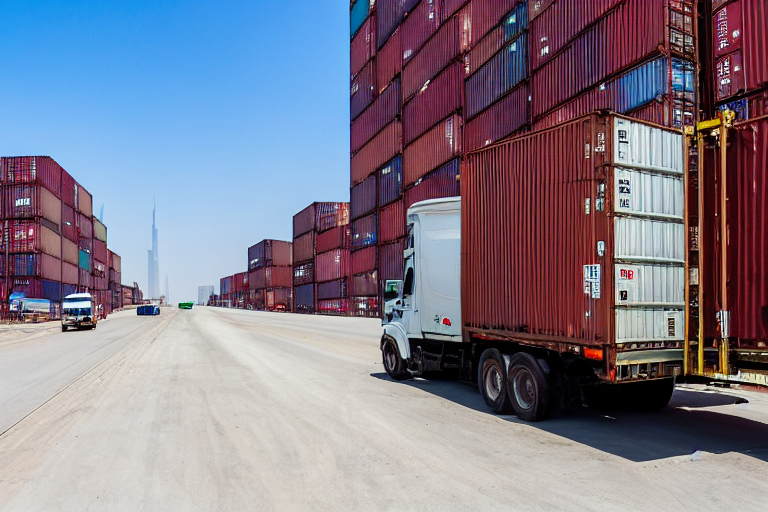
Why You Need to Know the Exact Costs Before Shifting Goods
Imagine you are a logistics manager at a major shipping company. Your team has been working hard for months, and now they have a new shipment coming out of China that needs to be delivered to Dubai. The goal is simple: get the goods safely from the factory floor to the customer's doorstep without breaking the bank.
The first question you will likely ask yourself is: "How much does it actually cost?" This isn't just about adding a few hundred dollars; it's about understanding the hidden fees, shipping rates, and insurance that make up the total bill. If you don't know these numbers before you start planning your route, you might end up paying more than necessary or even overpaying for services you didn't agree to use.
Let's break down exactly what goes into a Door To Door cargo shipment from China to Dubai. The journey is long, so every penny counts. You are essentially moving heavy boxes and fragile items across international borders. This process involves multiple stages of handling, which adds up quickly if not managed correctly.
First, you need to determine the destination port in Dubai. There are several major hubs like Jeddah, Ras Al Khaimah, or Sharjah that serve as primary entry points for international cargo. Choosing the right port is crucial because it determines which shipping lines can handle your specific volume and what kind of containers they offer.
Once you have selected a port, you move to the next critical step: determining the freight rate. This is where most people get confused. It's not just about the weight of the cargo; it's also about the type of container used and the specific shipping line involved. For example, moving 100 tons of steel in a standard 20-foot container might cost significantly less than moving the same volume in a larger 40-foot container.
To get an accurate quote, you need to consider several variables that vary based on your specific needs. One major factor is the weight and dimensions of your goods. If your cargo is unusually large or heavy, it will likely require more expensive shipping options. Another important variable is the time window. Shipment within a few days might be cheaper than one month later because you can secure better rates from carriers.
You also need to account for customs duties and taxes. When goods leave China, they must pass through various ports of entry in Asia. These processes involve checking the HS Code (Harmonized System) of your products. If your items are classified incorrectly or if there is a delay in clearance, you could face unexpected fees that add up fast.
Insurance is another hidden cost. Even if the shipping company pays for the freight, they often need to pay for insurance on top of it. This protects your goods from damage during transit. It's wise to ask your carrier about their specific insurance coverage limits and whether you are required to add this layer of protection yourself.
Finally, consider the total cost of ownership (TCO). While the initial freight rate might seem low, remember that shipping involves handling fees, port charges, and potential delays. A one-time payment can be a mistake if the logistics process is complex or if you need to keep goods in transit for an extended period.
So, how do we calculate these numbers? The formula usually looks like this: Total Cost = (Freight Rate × Quantity) + Customs Fees + Insurance + Handling Fees + Port Charges + Any Additional Services. This breakdown helps you see the full picture before making a decision.
Now, let's talk about some common problems customers face when trying to find these rates. The first one is often confusion between different shipping companies. Some carriers offer "Door To Door" services with no additional fees, while others charge extra for the service itself. It is vital to ask your carrier directly if they include all costs in their quote or if there are hidden fees.
Another common issue is the difference between FOB (Free On Board) and CIF (Cost, Insurance, and Freight). If you ship from China to Dubai, you might be shipping under FOB terms. This means your carrier pays for the freight, but you still have to pay customs duties yourself. If you are shipping under CIF terms, your carrier covers everything, including the duty, which is usually a significant savings.
You should also check if there are expedited shipping options available. Standard shipping might take 30 days or more, but if you need urgent delivery, carriers often offer faster rates with higher fees. Be sure to ask your carrier about their time commitment and whether they can adjust the rate based on urgency.
To solve these problems, it is always best to get a free quote from multiple reputable shipping companies before committing to anything. You can use online freight comparison tools or contact your current carrier directly for a detailed breakdown of their specific rates and terms. This ensures you are not paying more than necessary.
In conclusion, the cost of Door To Door cargo from China to Dubai is complex but manageable with careful planning. By understanding the various fees involved in shipping heavy goods across borders, you can make informed decisions that protect your business and ensure your customers receive their items on time.