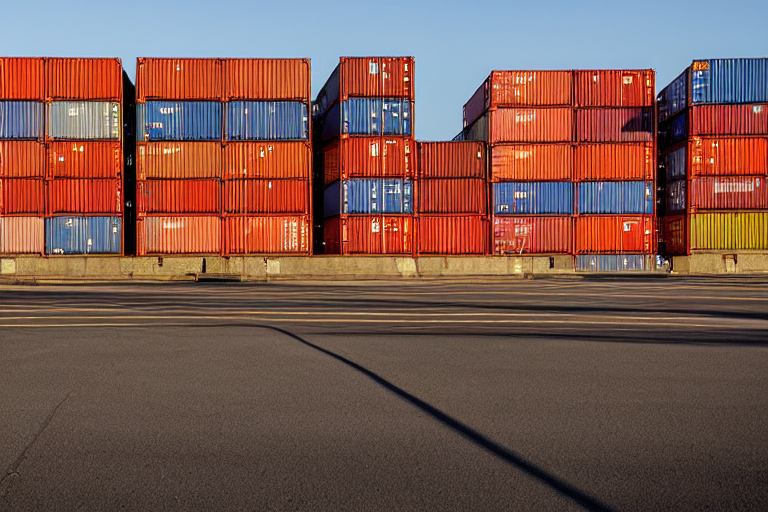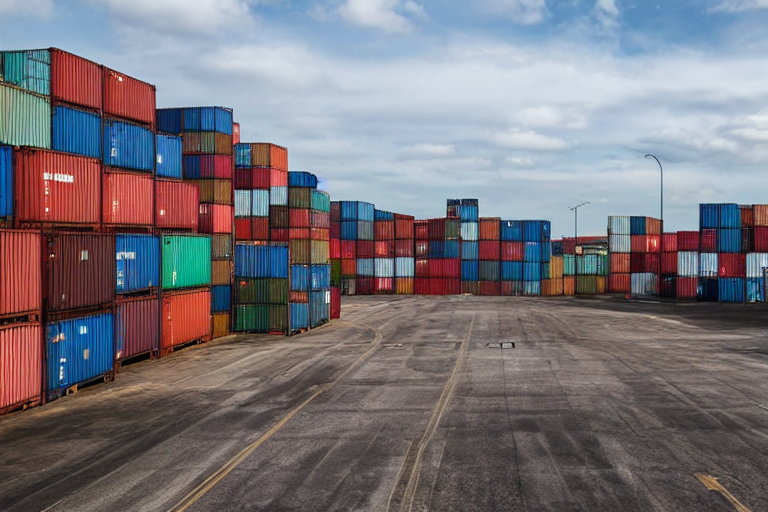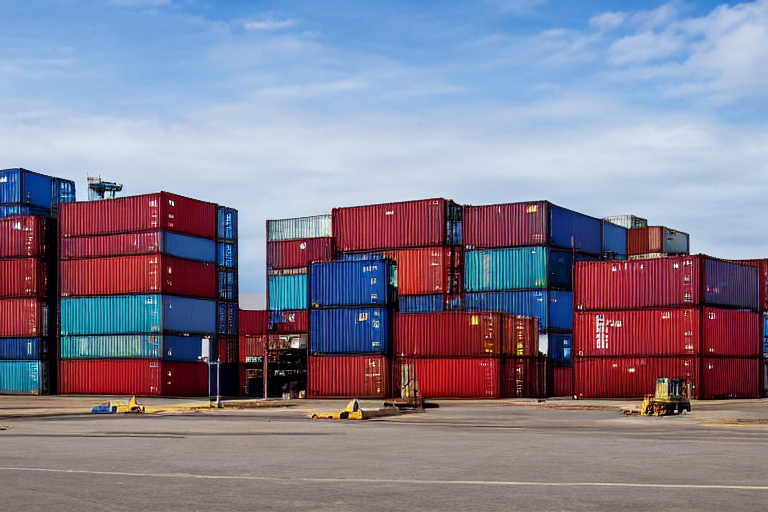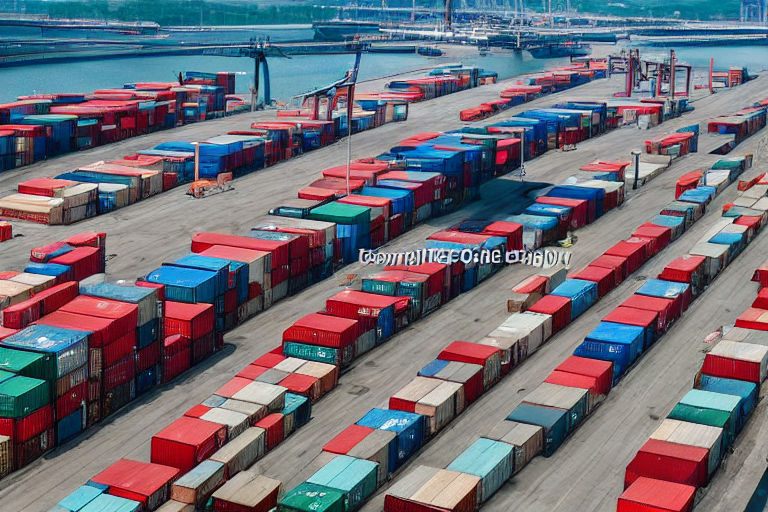
West Golden Cargo LLC provides cargo solutions that connect the world. Whether you are moving a massive container of steel from New York to Shanghai, or packing fragile electronics across the Atlantic, sea freight is often the backbone of global supply chains.
Why Choose Sea Freight for Your Shipping Needs?
Imagine shipping 50,000 tons of coal from a mine in Australia to a factory in Germany. That's a lot of weight and volume. If you rely on air freight or road transport, your costs could skyrocket due to the extreme fragility of these items.
That is exactly why sea freight has become the industry standard for bulk commodities. It offers massive capacity without the high cost per unit associated with air cargo. Furthermore, it allows you to ship goods that are too heavy or dangerous for airplanes to handle safely.
The Logistics Process: From Loading to Unloading
Getting your cargo onto a vessel is the first step in any sea freight journey. This process involves several critical stages that ensure safety and efficiency:
- Preparation: Before loading, you must check the ship's details, including her tonnage, length, beam, draft, and maximum cargo hold capacity.
- Unloading: Once the vessel is ready to depart, unloading is a delicate operation. You need to ensure that all containers are properly secured before they leave the port.
- Loading: This involves placing heavy items into the holds and securing them with reefer bags or bulkheads to prevent damage during transit.
The key to a successful sea freight operation is managing these logistics steps correctly. If you skip one step, like not checking the tonnage before loading, your cargo could be damaged or lost entirely.
Common Problems and Solutions for Customers
While sea freight is reliable, customers often face specific challenges during transit. Here are some of the most common issues and how to solve them:
- The "Dead Sea" Problem: This occurs when a ship's cargo holds become full before it can load more containers. If this happens, you must wait for the next available hold or use bulk carriers.
- Weather and Port Conditions: Weather changes can disrupt shipping schedules. Additionally, port congestion during peak seasons can delay arrival times.
To mitigate these risks, it is crucial to have a robust contingency plan in place. Many companies offer "flexible loading" services that allow you to load containers even if the hold is full temporarily, ensuring your goods arrive on time without unnecessary delays.
The Role of Technology and Automation
Modern shipping relies heavily on technology to optimize these complex logistics processes. Automated loading systems can reduce human error significantly by checking cargo dimensions against hold limits automatically.
Furthermore, the integration of digital tracking systems allows customers to monitor their shipments in real-time. This transparency builds trust and helps manage expectations regarding delivery dates.
Best Practices for Efficient Sea Freight Operations
To maximize your shipping efficiency and minimize costs, follow these best practices:
- Choose the Right Carrier: Research carriers based on your specific cargo type. For example, a container ship is ideal for bulk goods like coal or grain, while a tankship might be better suited for liquids.
- Secure Your Cargo: Always use proper reefer bags and secure containers to prevent moisture damage from the ocean air.
- Keep Records: Maintain detailed documentation of all shipments. This includes weight, volume, destination, and carrier details for future reference or insurance claims.
By adhering to these guidelines, you ensure that your sea freight journey remains smooth, safe, and profitable. Whether you are a small business looking to start shipping or an enterprise managing massive volumes, understanding the mechanics of sea freight empowers you to make informed decisions.