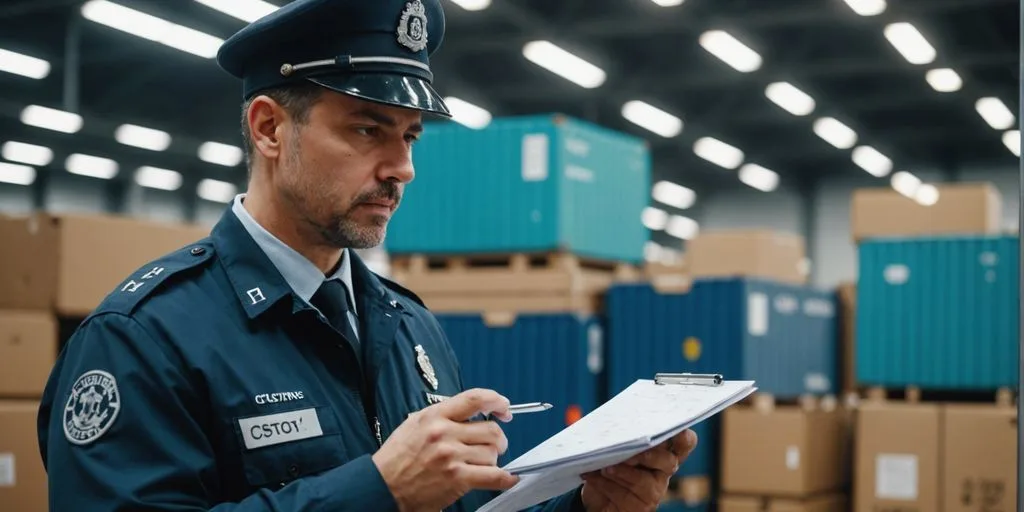
Customs clearance is a key part of international trade. It ensures goods move across borders legally, smoothly, and without delays. For importers and exporters, understanding this process helps reduce costs, avoid penalties, and keep shipments on track.
Key Takeaways
- Understanding customs clearance improves trade efficiency
- Accurate documentation prevents delays and penalties
- Technology improves speed and accuracy
- Experienced customs brokers simplify the process
- Regulation updates must be monitored regularly
Understanding the Customs Clearance Process
Customs clearance is the approval process that allows goods to enter or exit a country. It requires proper documentation, compliance with regulations, and payment of duties or taxes.
Essential Documentation
Key Documents Required
- Commercial Invoice
- Bill of Lading
- Packing List
- Certificate of Origin
- Customs Declaration
Commercial Invoice
Contains buyer and seller details, product description, value, quantity, and terms of sale. It is used by customs authorities to calculate duties.
Bill of Lading
Acts as a contract between the shipper and carrier and is required to release goods at the destination.
Packing List
Lists package contents, weight, and dimensions for inspection and verification.
Accurate documentation is critical. Even small errors can lead to delays, penalties, or shipment holds.
Customs Tariffs and Duties
Customs duties are applied based on the value, type, and origin of goods. These charges directly impact overall shipping costs.
Calculating Duties
Duties are usually calculated as a percentage of the total value of goods (ad valorem).
Exemptions and Reductions
Some goods qualify for reduced or zero duties depending on trade agreements or intended use.
Compliance and Regulatory Requirements
Importance of Compliance
Following customs regulations helps avoid fines, delays, and shipment rejection. Proper record-keeping and staying updated with laws are essential.
Common Challenges
- Complex legal requirements
- Frequent regulatory changes
- Documentation errors
Strategies for Efficient Customs Clearance
Pre-Clearance Preparation
Prepare all documents in advance and verify accuracy before shipment arrival to avoid delays.
Leveraging Technology
Automated systems and digital platforms reduce errors and speed up clearance processes.
Working with Experts
Experienced customs brokers help manage documentation, ensure compliance, and handle communication with authorities.
Common Challenges and Solutions
Delays
Usually caused by missing documents or inspections. Proper preparation reduces these risks.
Discrepancies
Small mismatches in shipment data can cause delays. Always double-check details before submission.
Risk Management
Regular audits, staff training, and compliance checks help reduce operational risks.
Technology in Customs Clearance
Automated Systems
Electronic systems speed up document processing and reduce manual errors.
Data Management
Digital tools help store and manage shipment data efficiently for better decision-making.
Future Trends
AI, blockchain, and predictive analytics are shaping the future of customs operations.
Conclusion
Customs clearance is essential for global trade success. With proper documentation, compliance, and the right logistics support, businesses can move goods smoothly across borders and avoid unnecessary delays.
Frequently Asked Questions
What is customs clearance?
It is the process of getting approval from customs authorities to import or export goods legally.
Which documents are required?
Commercial invoice, packing list, bill of lading, and certificate of origin are commonly required.
What are customs duties?
Taxes applied to imported goods based on value, type, and origin.
Why use a customs broker?
They handle paperwork, ensure compliance, and manage communication with customs authorities.