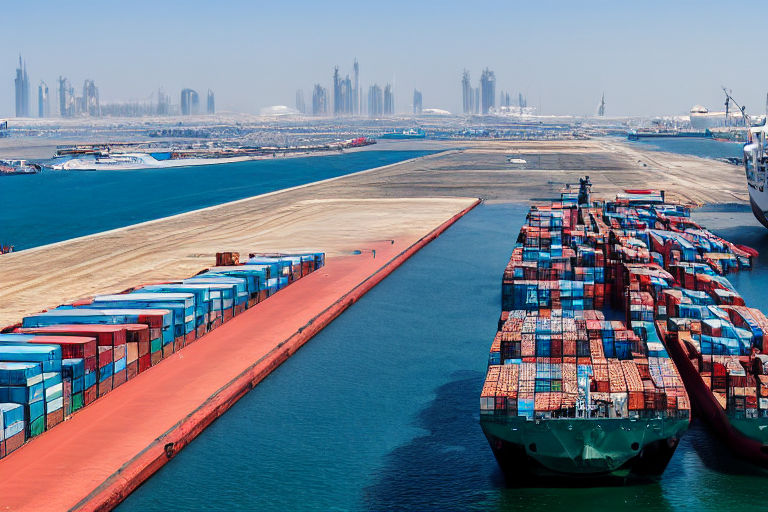
West Golden Cargo LLC provides cargo solutions across the Middle East. Whether you are a small business owner or a large shipping company, navigating the complex logistics of moving goods between these two key hubs can be challenging. This guide will walk you through the entire process from planning to delivery.
Why Choose Dubai as Your Origin Hub?
Dubai is not just a city; it's a global logistics powerhouse. With its proximity to the Mediterranean Sea, excellent air connectivity via Dubai International Airport (DXB), and a massive port capacity, it has become the undisputed gateway for international trade.
For example, consider a manufacturer in Saudi Arabia that needs to ship 500 tons of machinery. If they rely solely on land transport, they would face significant delays due to road conditions and lack of infrastructure. By utilizing air freight from DXB, their goods arrive faster than ever before.
This efficiency is crucial for high-value cargo. A single shipment can carry thousands of kilograms of equipment without the need for multiple stops or complex customs declarations, saving time and money.
The Logistics Route: From Dubai to Lebanon
Moving goods from Dubai to Lebanon involves a multi-modal journey that often requires coordination between air carriers, sea vessels, and land transport. The most common route for heavy cargo is via the Strait of Hormuz or direct overland routes through the Levant.
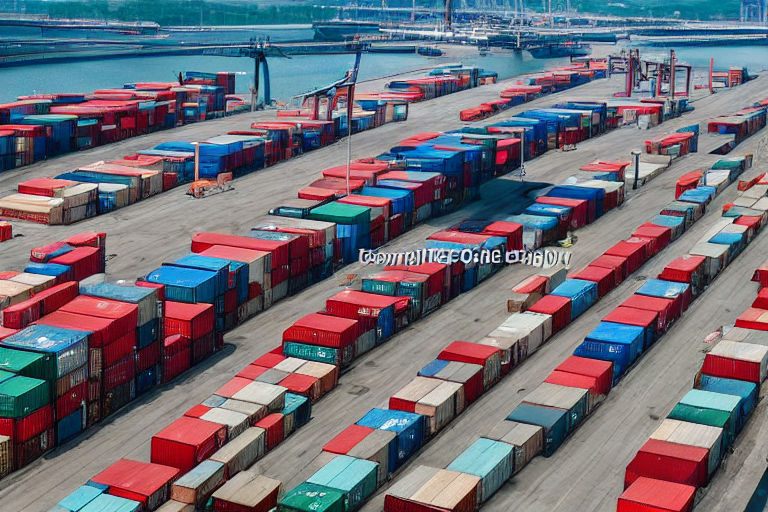
Air freight is generally the fastest option for perishable goods or high-value items. However, sea freight offers a more cost-effective solution for bulk commodities like steel, coal, or grain.
Let's look at a real-world scenario: A shipping company in Beirut needs to deliver 1000 boxes of dry goods from Dubai to the Lebanese city of Tripoli. They calculate that air freight takes only 3 days, while sea freight might take 25 days. The difference is significant for inventory management.
Another critical factor is customs clearance. Lebanon has strict regulations regarding prohibited items and hazardous materials. Ensuring your cargo meets all local standards before departure can prevent delays at the border or even result in fines if not handled correctly.
Common Problems and Solutions
One of the most frequent issues customers face when shipping from Dubai to Lebanon is the "last mile" delivery. While air freight gets you there, trucks often get stuck in traffic or weather conditions.
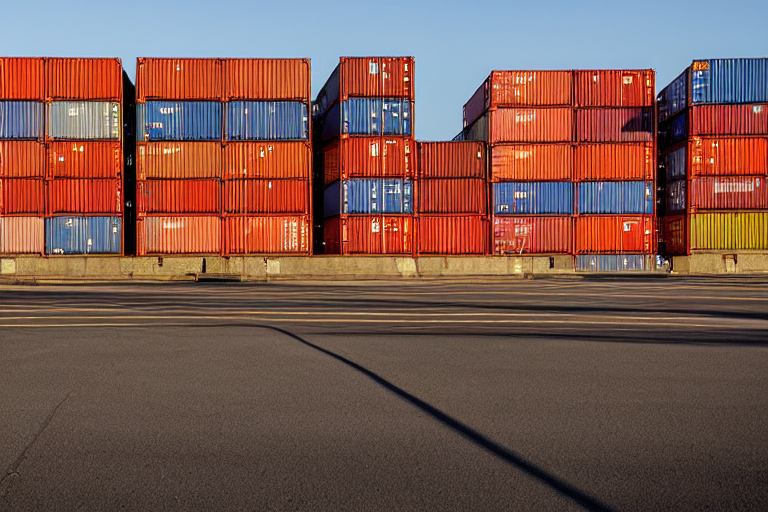
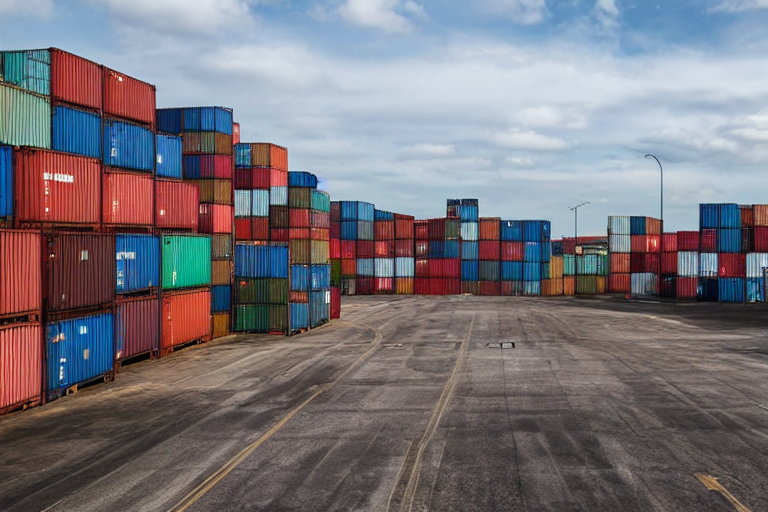
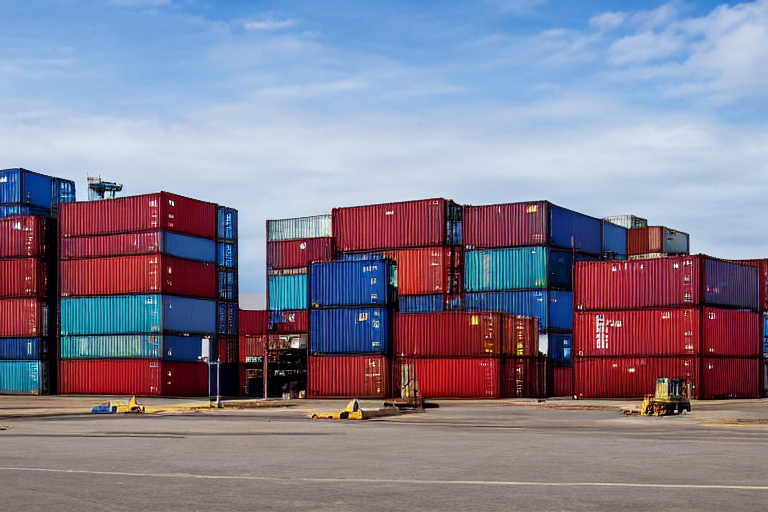
To solve this, many companies use specialized cargo containers that are pre-arranged with local trucking partners. This ensures your goods arrive safely and on time without needing to wait for a specific truck to be available.
Another common problem is the "wrong way" of shipping. Sometimes customers ship from Lebanon to Dubai, but they forget to declare their cargo as hazardous or prohibited. If you do not follow these rules strictly, customs officers may reject your shipment at the border, causing a 24-hour hold and potential penalties.
Solutions include using certified shipping containers that are pre-approved for specific countries and ensuring accurate documentation before any physical movement begins.
Cost Comparison: Air vs. Sea Freight
The cost of shipping from Dubai to Lebanon varies significantly based on the volume, weight, and type of cargo.
Air freight is typically much more expensive per kilogram but offers speed. For example, a 100-ton shipment might cost $250,000 for air while costing only $80,000 for sea freight. However, the savings in time and reduced risk of damage make it worth it for high-value items.
Sea freight is generally cheaper per unit but slower. It is ideal for bulk commodities where speed isn't a priority. The total cost includes fuel, port fees, and insurance, which can add up quickly if the route is long or weather conditions are poor.
Best Practices for Reliable Delivery
To ensure your cargo arrives safely and on time, follow these best practices:
- Choose the Right Container Size: Ensure your container dimensions match the truck's capacity to prevent overloading or underutilization.
- Verify Insurance Coverage: Always purchase comprehensive insurance that covers both air and sea freight. This protects your assets in case of damage during transit.
- Monitor Weather Conditions: Check forecasts before departure. Storms can delay shipping schedules significantly, so having a backup plan is essential.
Finally, consider using third-party logistics (3PL) services that specialize in this route. They handle the paperwork, customs checks, and driver coordination, allowing you to focus on your core business operations rather than administrative burdens.
Conclusion
Shipping from Dubai to Lebanon is a strategic move for businesses looking to expand their market reach. By leveraging the advantages of air freight and understanding the nuances of customs regulations, you can optimize your logistics operations.
West Golden Cargo LLC continues to provide top-tier cargo solutions. Whether you are moving heavy machinery or small packages, our team is ready to handle whatever shipment comes your way. Contact us today for a free quote and get started on your next international journey.