West Golden Cargo LLC provides cargo solutions across the globe. Whether you are looking to move heavy machinery, perishable goods, or delicate electronics, navigating the complex logistics of shipping from Dubai to New Zealand can feel overwhelming at first. But don't worry! With our expert guidance and real-world examples, we will break down every step of this journey so you can ship confidently.
Why Choose Shipping from Dubai to New Zealand?
Shipping from Dubai to New Zealand is a classic choice for businesses looking to expand their reach. Unlike many destinations that require multiple countries or complex border crossings, this route offers a streamlined path through the Middle East and into Oceania. The primary advantage? You can often use air freight for high-value items while keeping sea freight costs lower for bulk goods.
Let's look at a real-world scenario: Imagine you are a logistics company managing shipments of 50,000 liters of oil from Dubai to New Zealand. If you choose the ocean route, your shipping cost might be around $120 per container. However, if you use air freight for the same volume, the price jumps significantly higher due to the premium on air cargo services.
This is where our advice comes in. We recommend using a combination of sea and air freight strategies depending on your specific product type. For heavy machinery or large containers, sea freight ensures you don't overpay for air space. But for high-value electronics or fragile items, air freight is essential to protect them from damage during transit.
The Dubai Port: A Gateway to New Zealand
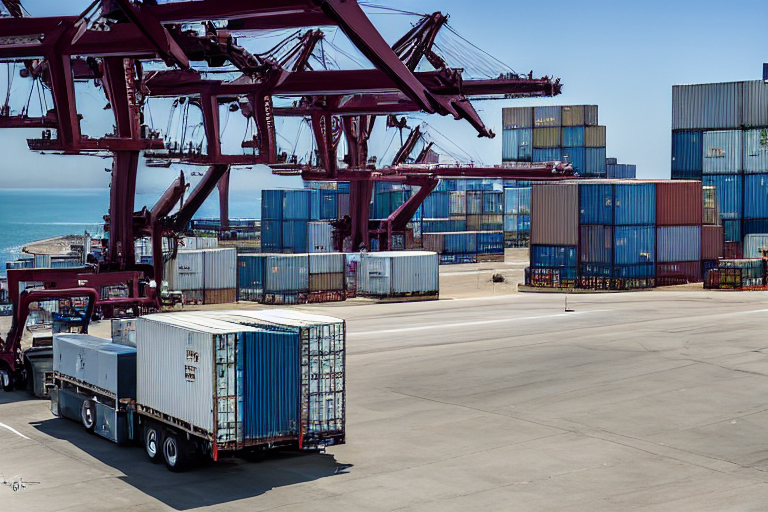
Getting your cargo out of the port in Dubai isn't just about picking up a truck; it's about understanding the infrastructure. The main hub is Jebel Ali, which handles most international trade. From there, you can take containers via container terminals or smaller vessels to the New Zealand ports like Auckland and Christchurch.
One of the biggest challenges in this route is customs clearance. Dubai has strict regulations regarding hazardous materials (like chemicals or radioactive substances) that must be declared at every stage of the process. If you ship a package containing explosives, you cannot just drop it off; you must declare it as such.
Our tip for customers: Always check with your local customs broker before loading. They know exactly which documents are required and how to handle any discrepancies that might arise during the inspection process.
Air Freight vs. Sea Freight: Which One Fits Your Needs?
Choosing between air and sea freight is a critical decision point for your business. Let's break down the pros and cons of each option to help you decide.
- Air Freight: Fastest delivery, but significantly more expensive per kilogram or container. It is perfect for time-sensitive shipments like electronics, pharmaceuticals, or luxury goods where speed is non-negotiable.
- Sea Freight: Cheaper overall cost, but slower transit times. Ideal for bulk commodities like coal, grain, or raw materials that need to be moved over a long distance without the stress of air delays.
A common problem customers face is "shipping costs vs. delivery time." If you ship 100 pallets of furniture from Dubai to New Zealand by sea, it might take 2 weeks. By switching to air freight for the same volume, you can deliver in just 3 days. This trade-off is crucial when calculating your total shipping cost.
Another scenario involves temperature-sensitive goods. If you ship a vaccine or a frozen food item from Dubai to New Zealand, sea freight might be too slow to reach the destination before it spoils. Air freight allows for controlled climate conditions, ensuring your product remains safe and fresh until delivery.
Customs Procedures: What You Need to Know
The customs process in New Zealand is strict but manageable if you follow the steps correctly. The main document required for most goods is a Commercial Invoice, Packing List, and Bill of Lading (or Air Waybill).
Here are some common pitfalls customers encounter:
- Incorrect Declaration: If you ship hazardous materials without declaring them, your shipment will be rejected by customs. Always check the HS Code and declare it accurately.
- Documentation Errors: Missing or incomplete paperwork can delay your shipment for weeks. Double-check every document before loading the truck.
We recommend using a third-party freight forwarder to handle all customs declarations on your behalf. They have the expertise to navigate these regulations and ensure your goods are cleared efficiently, saving you time and money.
Insurance Coverage: Protecting Your Investment
Shipping from Dubai to New Zealand involves high-value items that require robust protection. You cannot rely on the carrier's liability for lost or damaged goods alone. Insurance is your safety net.
There are two main types of insurance:
- Cargo Insurance: Covers the value of the cargo during transit, including damage and theft. This is essential if you ship perishable items or high-value electronics.
- Liability Insurance: Protects against claims for loss or damage caused to your goods by third parties (like a trucker's negligence). This is vital if you are shipping hazardous materials or large quantities of goods.
A common mistake customers make is buying insurance without checking the coverage limits. If your cargo exceeds the limit, you will be liable for any excess loss. Always review the policy terms before signing up.
Common Problems and Solutions
Shipping logistics can sometimes face unexpected hurdles. Here are some frequent issues and how to solve them:
- Delay in Arrival: This is the most common issue. It usually happens due to weather, port congestion, or customs delays.
- High Costs: Air freight can be prohibitively expensive for small shipments. We recommend using a volume-based pricing model where you pay per container rather than per item.
To avoid these problems, always get quotes from multiple carriers before committing to a route. Compare the total cost of shipping across different options and choose the one that fits your budget and delivery timeline best.
Tips for Successful International Shipping
Shipping from Dubai to New Zealand is a rewarding experience, but it requires preparation. Here are some practical tips to make your journey smoother:
- Start Early: Don't wait until the last minute. Secure your containers and arrange for loading as soon as possible.
- Keep Documentation Fresh: Keep your commercial invoices, packing lists, and insurance policies updated. Delays in documentation can cause delays at the port.
Also remember to keep track of your shipment tracking number. If you miss a scheduled delivery date, contact your carrier immediately. They will have the best solution for rescheduling or refunding any fees.
Conclusion: Your Next Shipping Journey
Shipping from Dubai to New Zealand is a powerful tool for businesses looking to grow their market presence in Oceania. By understanding the nuances of sea and air freight, navigating customs efficiently, and securing proper insurance coverage, you can ensure your cargo arrives safely and on time.
West Golden Cargo LLC continues to provide top-tier solutions for global logistics. Whether you are moving heavy machinery or delicate electronics, our team is here to help you navigate the complexities of international shipping with confidence and precision.