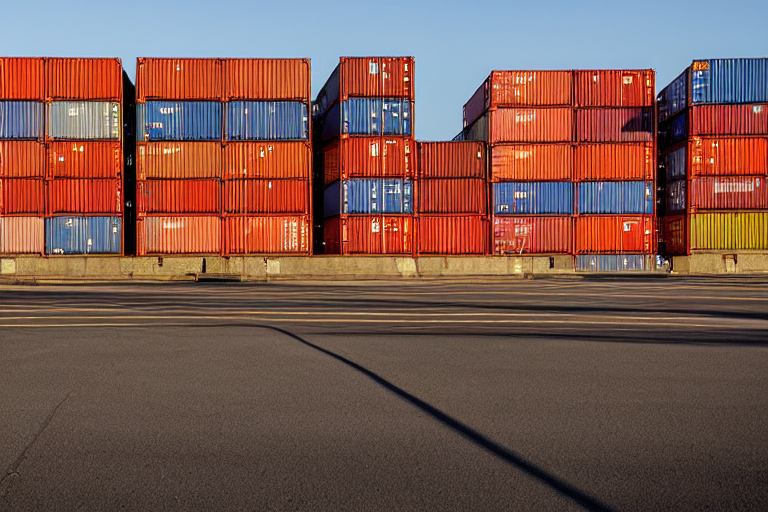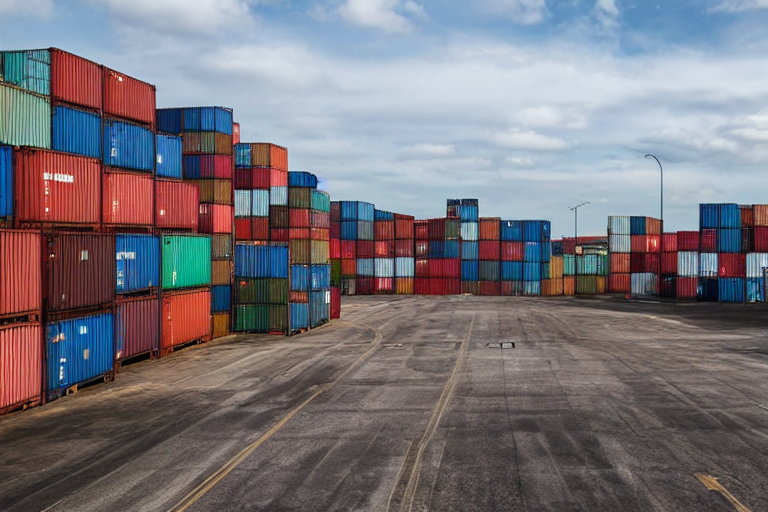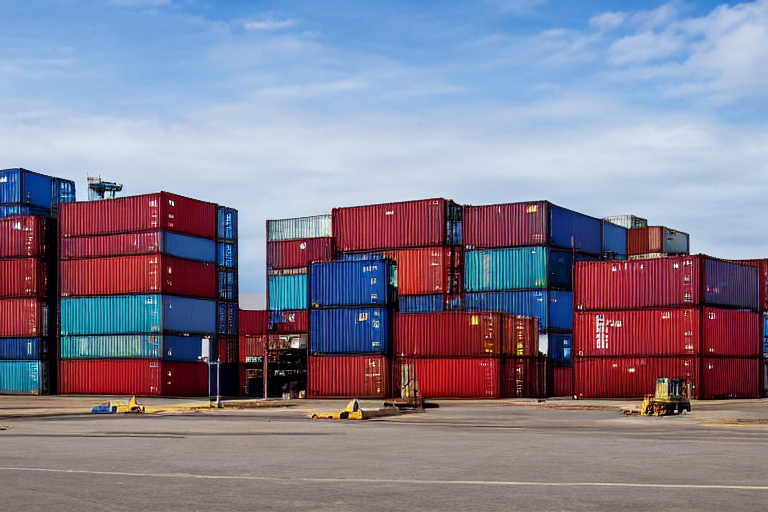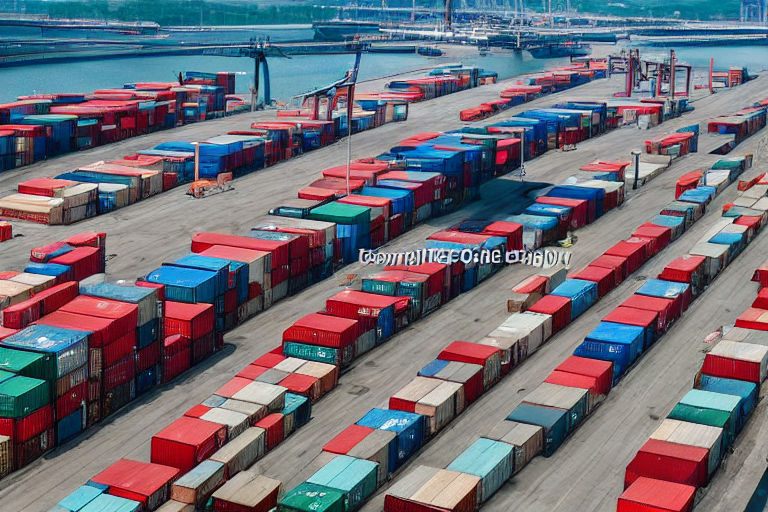
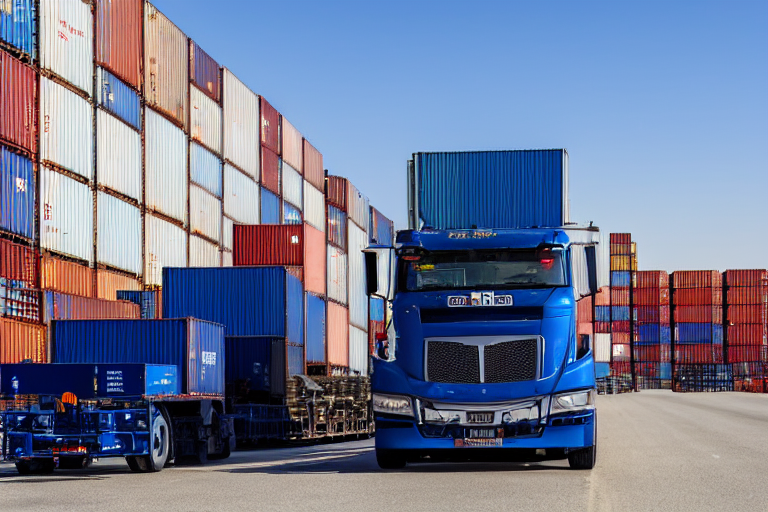
West Golden Cargo LLC provides cargo solutions across the Mediterranean. Whether you are a small business owner or a large shipping company, navigating the complex web of international freight requires more than just knowing the route; it requires understanding the nuances of cost, time, and risk.
Why Dubai to Spain Freight is Critical for Global Trade
The transit from Dubai to Spain isn't just a simple hop between two cities. It represents one of the most significant corridors in global logistics, connecting Europe's northern hub with the Mediterranean basin.
This route offers unique advantages that make it a top choice for bulk cargo and high-value shipments. Unlike many other routes that involve multiple transshipment points or long sea voyages, this corridor allows for direct ocean freight between major ports like Al Ula (Dubai) and Valencia (Spain).
Key Insight: For any logistics company operating in the Middle East, understanding the specific weight limits and volume allowances of this route is crucial. The distance is relatively short compared to other transatlantic routes, which means you can often utilize smaller container ships or bulk carriers that are more fuel-efficient.
The Route: From Al Ula to Valencia
To get the most efficient use of your cargo, you must know exactly where it starts and ends. The journey begins at Dubai International Airport (DXB), specifically near the port city of Al Ula.
The destination is primarily in Spain, with Valencia being the primary hub for this route due to its proximity to the Mediterranean Sea and its major container terminals.
Common Problem: Many companies mistakenly think they can ship everything from Dubai to anywhere. However, there are strict regulations regarding cargo type (e.g., hazardous materials), size limits, and weight restrictions that apply specifically to this route. If your shipment exceeds the maximum allowed volume or contains dangerous goods, you may be forced to use a different shipping method entirely.
Solution: Always consult with a freight forwarder who specializes in Mediterranean routes before finalizing any contract. They can provide real-time data on current cargo volumes and ensure your shipment fits within the specific clearance limits for this corridor.
Cost Analysis: The Hidden Costs of Shipping
Shipping from Dubai to Spain is not just about moving goods; it's about managing costs. A single mistake in documentation or a misjudgment on volume can lead to massive financial losses for the client.
Key Insight: The cost structure here involves three main components: fuel, port fees, and insurance. Fuel is often the largest variable because vessels are frequently full of cargo, making them more expensive per ton-mile than some other routes.
Common Problem: Companies often underestimate the impact of "fuel surges." During peak seasons or in regions with high demand for oil, shipping costs can spike significantly. A small error in calculating fuel consumption during a voyage can result in a 15-20% increase in total freight cost.
Solution: Always get quotes from multiple forwarders who offer transparent pricing models that include these variable costs. Look for contracts with favorable terms, such as fixed-price contracts or volume-based pricing where the price per ton-mile is stable regardless of current market rates.
Volume and Weight Limits: The Golden Rules
One of the most common mistakes beginners make is trying to ship everything. While you can move a truckload, there are strict limits on how much cargo can be transported in one container or what weight it can carry.
Key Insight: The maximum volume allowance for this route varies by port and season. In summer months, the volume limit is often higher to accommodate more containers, while winter months may have tighter restrictions due to lower sea temperatures affecting vessel capacity.
Common Problem: If your shipment exceeds the weight limit, you cannot simply add more cargo on top of it without paying a surcharge. This can be a costly mistake that leads to delays and potential penalties from customs authorities in Spain.
Solution: Always calculate your total volume and weight before signing any contract. Use software tools or consult with a freight forwarder who can provide accurate estimates based on the specific route you are using.
Customs Documentation: The Hidden Complexity
Shipping from Dubai to Spain is not just about moving goods; it's about navigating customs procedures that can be confusing and time-consuming. This section covers the most common hurdles customers face.
Key Insight: Customs declarations are often the most critical part of this process. The declaration form must accurately reflect the weight, volume, and type of cargo to avoid delays at Spanish ports like Valencia or Alicante.
Common Problem: Many companies forget to declare hazardous materials correctly. If a shipment contains flammable liquids or dangerous chemicals without proper labeling, it can result in fines, detention of goods, and even seizure by customs authorities.
Solution: Never ship non-compliant cargo. Always ensure your packaging meets international standards for hazardous materials (like GHS compliance) before loading the vessel. This is a legal requirement that cannot be ignored.
The Logistics Timeline: From Arrival to Departure
The journey from Dubai to Spain takes time, and understanding this timeline helps you manage expectations for your clients.
Key Insight: The transit time depends heavily on the vessel type. A standard container ship might take 10-14 days, while a bulk carrier or tank tanker could take up to 25 days depending on the route and weather conditions.
Common Problem: Clients often expect immediate delivery. If you are shipping heavy goods like steel or coal, delays can be weeks. Conversely, if you are moving low-value items, a small delay might feel like a major inconvenience to your business.
Solution: Set realistic delivery windows in your marketing materials and communicate proactively with clients regarding potential lead times. Use tracking systems to monitor the vessel's progress so you can adjust schedules if necessary.
Best Practices for Successful Shipping
To ensure a smooth experience from Dubai to Spain, follow these best practices that have proven effective in recent years:
- Choose the Right Port: Al Ula is the primary entry point. Valencia is the main exit point.
- Secure Contracts Early: Do not sign contracts until you have verified cargo details and volume limits with a freight forwarder.
- Monitor Fuel Costs: Keep an eye on fuel prices to avoid unexpected surcharges during peak seasons.
- Keep Documentation Fresh: Ensure all customs forms are up-to-date and accurate before the vessel departs.
By following these guidelines, you can minimize risks, maximize efficiency, and deliver your cargo on time to clients across Europe.
Conclusion: Embracing the Middle East's Shipping Potential
Shipping from Dubai to Spain is a powerful opportunity for businesses looking to expand their reach into the Mediterranean. With reliable routes, competitive pricing, and strict but fair regulations, this corridor offers excellent value.
The key to success lies in preparation. Whether you are a small retailer or a multinational corporation, understanding the specific constraints of this route allows you to plan your logistics more effectively.
Final Tip: Don't underestimate the importance of consulting with experienced freight forwarders who can provide tailored solutions for your unique cargo profile. Their expertise in Mediterranean routes ensures that your shipments are not only efficient but also compliant with all international laws and regulations.