West Golden Cargo LLC provides cargo solutions across the region. Whether you are a small business owner or a large logistics firm, navigating the complex shipping landscape between South Korea and Dubai can be challenging. This guide will walk you through the entire process, from initial planning to final delivery.
Why Choose Shipping from Korea to Dubai?
Korea is a major hub for global trade, particularly in manufacturing and electronics. The port of Sejong has historically been one of the busiest in the world, making it an ideal starting point for international shipments.
The route offers distinct advantages over other destinations. First, the distance allows for significant time savings during transit, which is crucial when dealing with perishable goods or high-value items. Second, the weather patterns are generally favorable, reducing the risk of delays caused by storms or monsoons common in certain regions.
Furthermore, the cost structure here is often competitive compared to other major hubs like Shanghai or Singapore. For many businesses, this lower freight rate makes it a top choice for bulk shipments and small parcels alike.
The Route: From Sejong to Dubai
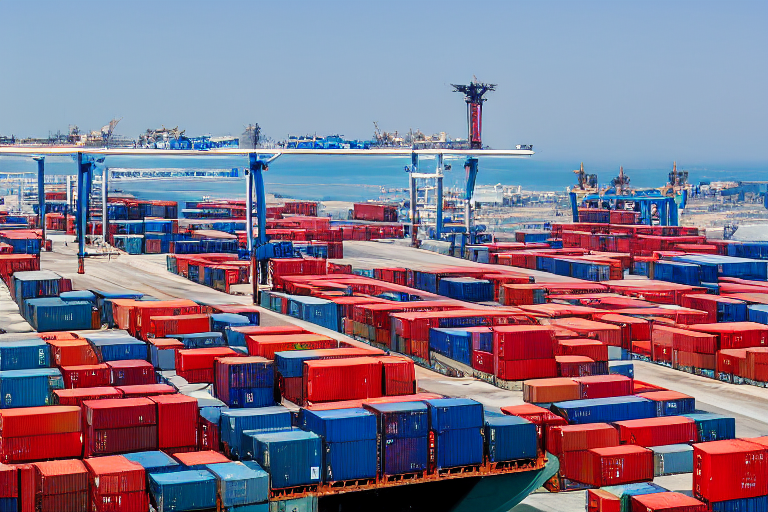
To ship from Korea to Dubai, you generally need to pass through the port of Sejong in South Korea. Once your cargo arrives at the seaport, it is transferred to a container or vessel that heads toward the Arabian Sea.
The journey then moves into the Persian Gulf and eventually reaches the port of Dubai, UAE. This specific route is often referred to as the "Sejong-Dubai Express." It involves navigating through the Strait of Hormuz, which can be a point of contention for shipping lines due to geopolitical tensions.
Key Consideration: Always check with your carrier regarding the specific port of entry. Sometimes, direct shipments from Korea to Dubai are possible without going through the Strait of Hormuz, depending on current trade agreements and cargo type restrictions.
Shipping Methods: Sea vs. Air
The choice between sea freight and air freight depends entirely on your shipment size and urgency.
- Sea Freight: This is the standard option for most bulk cargo, including containers, pallets, and even small boxes. It offers a balance of speed and cost. The transit time can range from 15 to 30 days depending on the port of loading.
- Air Freight: If your shipment is very large or fragile, air freight is necessary. However, this comes with significantly higher costs per kilogram. It takes roughly 2-4 days for most shipments but can take up to 7 days for larger containers.
For example, if you are shipping a shipment of 500 tons of steel from Korea to Dubai via sea freight, the cost might be around $150 per ton. If you ship the same volume by air, that price could jump to over $300 per ton.
Customs and Documentation: The Hidden Costs
Shipping from Korea to Dubai is not just about moving goods; it involves strict compliance with international customs regulations. Failure to declare your cargo correctly can result in massive fines or seizure of the shipment.
Common Problems:
- Incorrect Declaration: If you ship electronics but don't declare them as electronics, they may be seized and taxed at customs. This is a common mistake for small businesses.
- Port of Entry Issues: Sometimes the port of entry in Dubai is not listed on your shipping manifest. You might have to pay an additional surcharge or face delays if the vessel cannot dock immediately.
To avoid these headaches, always prepare a detailed declaration form (often called a "declaration of value" or "D.O.V.") before loading your cargo. This document must accurately reflect the weight, dimensions, and contents of every item on board.
Warehousing: Where to Store Your Cargo?
Once your goods are loaded onto a vessel or container, you need a place to store them until they reach Dubai. This is where the logistics team often gets busy.
Common Solutions:
- Local Warehouses in Dubai: Many companies set up their own warehouses near the port of Dubai, such as in the business district or industrial zones. These are convenient for local customers but can be expensive to maintain.
- Third-Party Logistics (3PL) Services: For larger shipments, you might partner with a 3PL provider who manages warehousing and storage on your behalf. They handle the paperwork, security, and scheduling.
Choosing the right warehouse is crucial for cost efficiency. If you are shipping heavy machinery or large containers, investing in a dedicated facility can save you hundreds of dollars per ton compared to using a standard storage unit.
Tracking and Monitoring Your Shipment
Once your cargo is on board, tracking is essential. You want to know exactly when your shipment will arrive in Dubai and what the current status is.
Tips for Tracking:
- Use Carrier APIs: Most major shipping companies (like DHL, FedEx, or local Korean carriers) provide free tracking services. You can log into their website to see real-time updates on your package.
- Check Port Status: Sometimes the port of entry is busy during peak hours. Checking the status page before departure helps you avoid last-minute cancellations.
If a shipment is delayed, don't panic. Keep your records organized and contact the carrier immediately to discuss potential solutions like expedited shipping or alternative routing options.
Cost Analysis: How Much Does It Cost?
Shipping costs vary wildly based on weight, volume, destination, and service level. Here is a rough breakdown for a typical shipment from Korea to Dubai:
- Small Packages (Boxes): $5 - $10 per kg.
- Medium Containers (20ft/40ft): $30 - $80 per ton.
- Large Container Ships: $150 - $300+ per ton, depending on the route and port of loading.
To get a precise quote, you need to provide your carrier with accurate data. Do not guess; use software tools or ask for a free consultation from their sales team.
Common Mistakes to Avoid
There are several pitfalls that can derail your shipping project:
- Ignoring Seasonal Fluctuations: Shipping costs often spike during holidays or peak seasons. Always check current market rates before committing.
- Overlooking Customs Fees: Even if the carrier says "free customs clearance," there are usually local taxes and duties that need to be paid separately.
- Not Checking Port Capacity: If your vessel is full, you might have to wait for a new ship or use a different route entirely. Always verify port capacity before booking.
By following these guidelines and managing expectations carefully, you can ensure that your cargo arrives in Dubai on time, safely, and at the right price.
Conclusion: Start Your Journey Today
West Golden Cargo LLC remains committed to providing top-tier shipping solutions. Whether you are looking for a quick delivery or a long-term partnership, our team is ready to help.
If you need assistance with your next shipment from Korea to Dubai, don't hesitate to contact us directly. We offer flexible pricing and dedicated support to ensure your business continues to thrive in the global market.