West Golden Cargo LLC provides cargo solutions that connect the world. Whether you are a small business owner or a large logistics company, understanding how international shipping works is key to managing your supply chain effectively.
The Basics: What Is International Shipping?
Imagine trying to move heavy boxes from New York to London without any special tools. That's exactly what happens when you ship international cargo. It involves complex rules, multiple countries, and strict regulations that ensure the goods arrive safely.
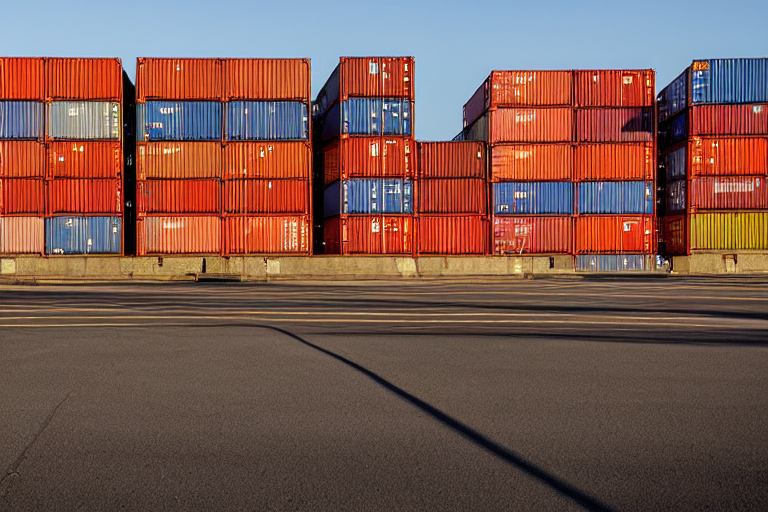
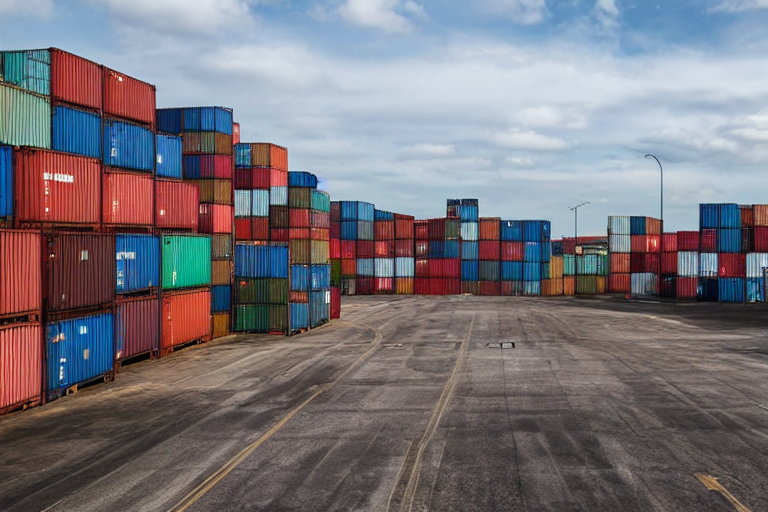
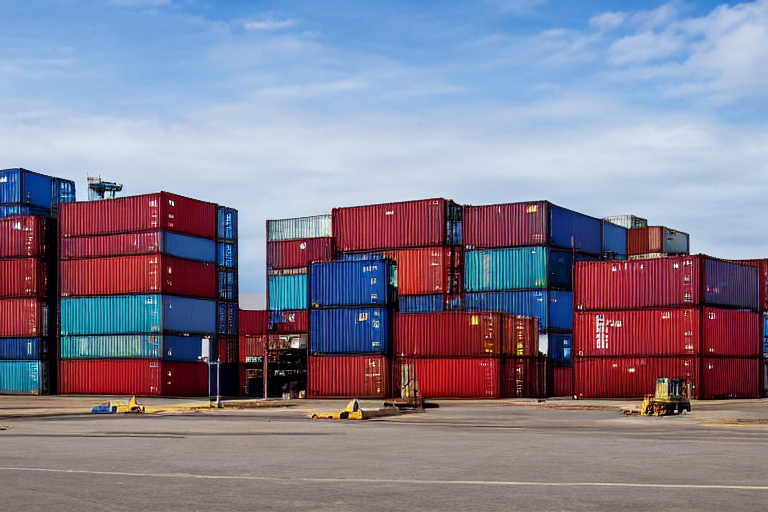
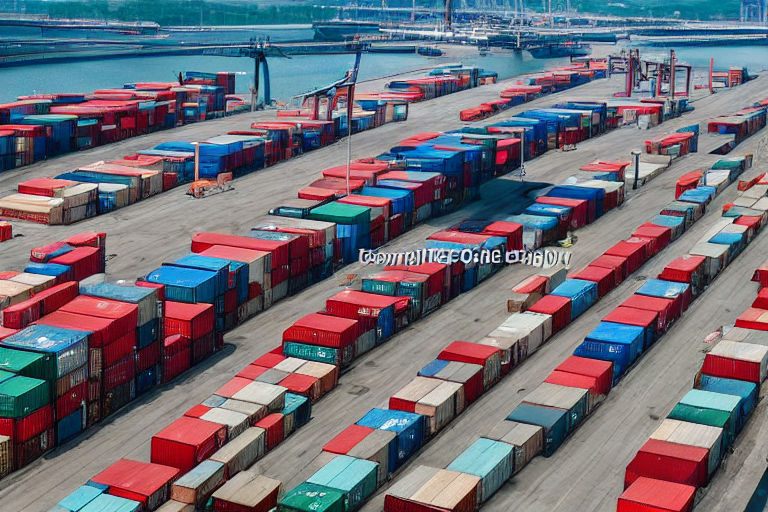
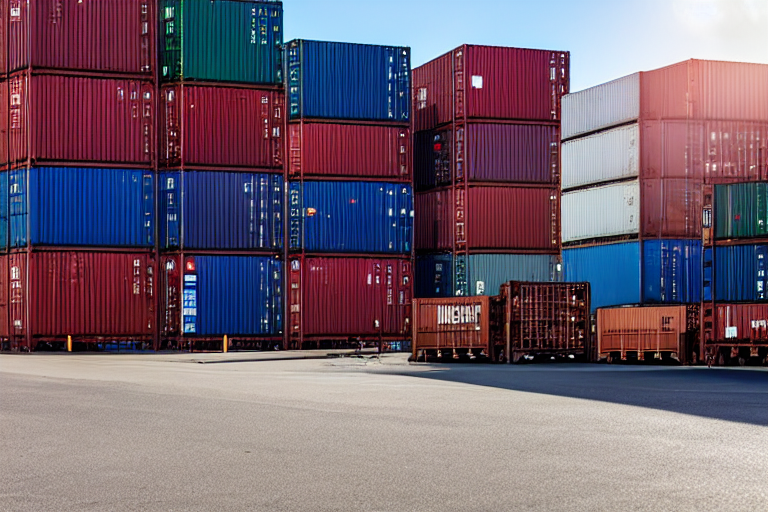
In reality, this process is often described as a "sea of glass." The journey starts with your shipment being loaded onto a containerized vessel at a port in one country (like Rotterdam or Shanghai). From there, it travels across oceans to another destination, where customs officials check the paperwork and verify that everything meets international standards.
This entire process is managed by specialized companies called freight forwarders. They handle all the paperwork, insurance, and coordination so your cargo can move smoothly from one country to another without you needing to do much of it yourself.
Real-World Scenarios: From Small Boxes to Massive Containers
Let's look at a few concrete examples of how this works in practice:
- The "Small Box" Scenario (Air Freight): If you are moving just one or two heavy boxes from a warehouse in the US to a small town in Europe, air freight is often the fastest option. It's quick but expensive and requires careful handling of fragile items.
- The "Medium Container" Scenario (Ocean Freight): For larger shipments, like moving 500 tons of steel from a factory in Germany to a warehouse in Japan, ocean shipping becomes necessary. This is the most cost-effective way to move large volumes over long distances.
- The "Customs Clearance" Challenge: Sometimes, even with good shipping companies, customs officers can delay your shipment if you don't have all the required documents ready. It's a common problem for small businesses that rely on third-party logistics providers.
These scenarios highlight why having a dedicated international shipping company is so important. They handle the paperwork, negotiate with customs, and manage the insurance premiums so you don't have to worry about financial risks or delays.
Common Problems Customers Face
Customers often encounter several hurdles when trying to ship international goods. Here are some of the most common issues:
- Documentation Errors: If your shipping labels or bills of lading have typos, customs might reject your shipment immediately.
- Currency Fluctuations: Shipping costs can change based on exchange rates between countries. A small difference in currency can add up to thousands of dollars over a long journey.
- Port Congestion: During peak seasons, ports can get crowded, making it hard for containers to move and increasing waiting times.
To avoid these problems, it's crucial to choose a reliable shipping company that has experience with your specific cargo type. They often have local knowledge of port conditions and can help you navigate the bureaucratic processes.
Solutions for Common Problems
If you are facing these challenges, here is how to solve them:
- Double Check Your Documents: Before loading your cargo, ensure all paperwork is complete and accurate. A single typo can stop the entire process.
- Use Insurance Coverage: Always purchase comprehensive insurance for your shipment. This protects you if the goods get damaged or lost during transit.
- Choose a Forwarder with Local Knowledge: Look for companies that have experience in your specific region. They can help you understand local customs laws and negotiate better rates.
By following these tips, you can ensure your international shipping remains smooth and cost-effective. Remember, the goal is not just to move goods, but to deliver them safely and on time.
The Future of Global Trade
As global trade continues to grow, international shipping will become even more complex. Automation and AI are helping logistics companies optimize routes and reduce costs. However, human oversight remains essential for managing the delicate nature of international customs.
For West Golden Cargo LLC, our goal is to make this process as easy as possible for everyone involved. We provide solutions that help you focus on your business operations rather than navigating the complexities of global shipping.